How to Plan a Drone Photography Trip to Iceland

    The complete guide to flying, traveling, and capturing Iceland from above

    Iceland is one of the best drone destinations on the planet. Glaciers, black sand beaches, volcanoes, canyons, waterfalls, and coastlines create an unreal landscape from above, the kind of place where every flight feels like a cinematic shot waiting to happen.

    But planning a drone photography trip to Iceland isn’t as simple as showing up with a drone. Weather changes fast, rules are strict in protected areas, and access to certain locations depends on conditions, permits, and local knowledge.

    This guide walks you through everything you need to know, from choosing locations to handling permits, safety, gear, weather, and trip planning, so you can fly legally, safely, and confidently.

    1. Understand Iceland’s Drone Laws (Important!)

    Iceland has clear rules for drone flying. The key points every drone pilot should know:

    General rules

    • Maximum altitude: 120 meters
    • Maintain visual line of sight
    • Respect no-fly zones (many popular areas are restricted)
    • Do not fly over crowds

    National parks & protected areas

    Places like:

    • Þingvellir National Park
    • Vatnajökull National Park
    • Landmannalaugar

    …require permits for drone flights.

    Permits can take days to weeks, and not all are approved. Weather, bird nesting seasons, and environmental rules all affect permission.

    Why this matters

    Many of Iceland’s best locations for drone photos (glaciers, canyons, moss fields, volcanic areas) fall inside protected zones.

    2. Know Which Drone Locations Are Allowed

    This is where most people get it wrong.

    Popular spots like:

    • Skógafoss
    • Dyrhólaey
    • Gullfoss
    • Geysir

    …are no-fly zones without a specific permit or flights within special time window, where applicable.

    If you want a list of all restricted spots, here is a list from the aviation authority

    Reliable legal flying areas

    • Many spots in the highlands (when open)
    • Þórsmörk
    • The Reykjanes Peninsula (many spots are legal, but some volcanic areas are restricted when an eruption is going on)
    • Glymur
    • Hengifoss
    • Hvítserkur
    • Many rivers

    Areas completely off-limits

    • Bird cliffs during nesting season
    • Airports

    It’s important to plan an itinerary that respects these rules and avoids disappointment when you arrive somewhere amazing but can’t fly.

    3. Build an Itinerary Around Weather, Not Just Locations

    This is the biggest mistake drone travelers make in Iceland.

    Iceland’s weather shifts dramatically across short distances. A perfect day for flying in the south can be unflyable in the east and vice versa.

    What to expect

    • Rain is the main enemy
    • Rain comes and goes in fast cycles
    • Clouds can block every shot, then clear 10 minutes later
    • Sunsets can be a golden hour for 2+ hours in summer

    The right way to plan

    Choose multiple potential locations each day, for example:

    Example day plan (South Coast):

    • Morning backup: Skógafoss – allowed very early in the mornings
    • Midday option: Sólheimajökull
    • Afternoon: Aerial river patterns
    • Sunset: Lómagnúpur

    Planning like this ensures you adapt to wind, light, and conditions. And still get great shots no matter what the day throws at you.

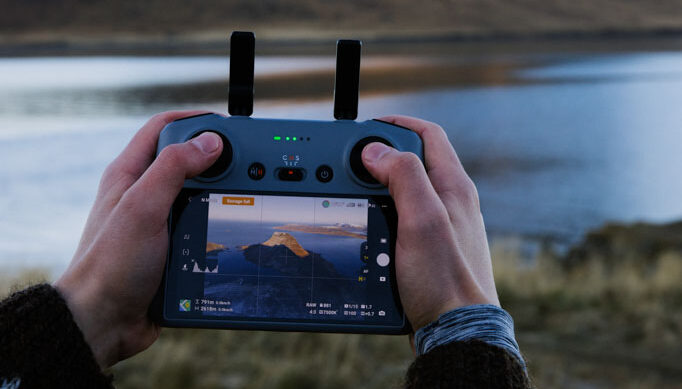
    4. Choose the Right Gear for Iceland Conditions

    You don’t need to bring 10 drones, but you do need to bring the right equipment.

    Essential

    • DJI drone best all-around choice
    • 5–8 batteries (cold weather drains them faster)
    • ND filters (4, 8, 16, 64)
    • Car charger or power bank
    • Dry bag (weather can turn instantly)
    • Two memory cards
    • Hard case or padded camera cube

    Nice to have

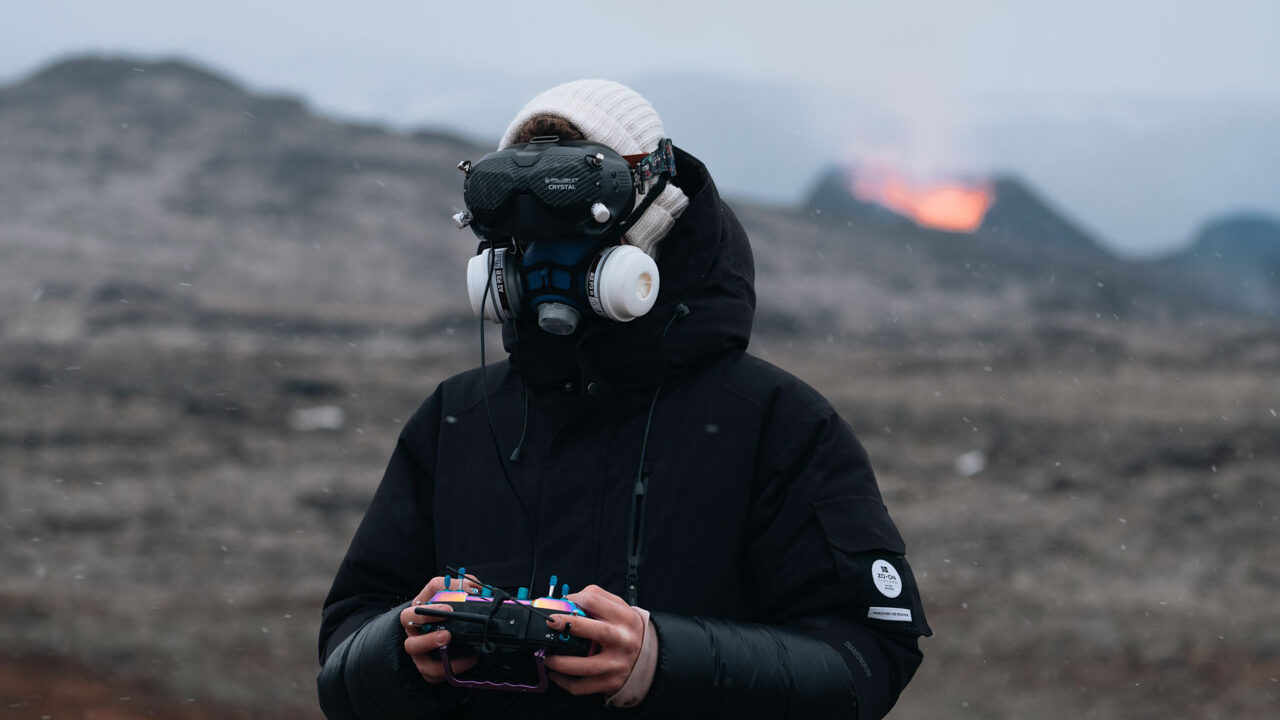
    • FPV drone for dynamic shots
    • Mini drone for quick scouting
    • Polarizers
    • Hand warmers

    Good to know

    In Iceland, even in summer:

    • Fog forms fast
    • Sand can damage motors
    • Cold affects flight time

    Be prepared for your gear to be tested.

    5. Plan for Safe Access: Roads, Highlands, and Conditions

    Drone pilots often forget that reaching a location is half the challenge.

    Road access

    • Ring Road is well-maintained year-round
    • Highland roads (F-roads) are 4×4 only and open only in summer
    • Many roads to epic drone spots flood or wash out

    Bridges & rivers

    If you plan to reach braided rivers or highlands, know that river crossings can be dangerous without experience.

    Winter

    Some of the best drone locations are inaccessible in winter unless you have:

    • Superjeep
    • Snowmobile tour
    • Local guide

    6. Get Permits Early (or Avoid Restricted Areas Entirely)

    If you want to fly in national parks… you may need a permit.

    Some permits require:

    • Exact flight coordinates
    • Purpose of filming

    If you don’t want to deal with this, choose an itinerary that focuses on drone-friendly areas, or join a tour where all permits and logistics are handled for you.

    7. Know the Best Drone Seasons in Iceland

    Winter (Nov–Mar)

    • Ice caves
    • Snow-covered mountains
    • Northern lights
    • Access limited in many areas

    Spring (Apr–May)

    • Good light
    • Less crowds
    • Unpredictable weather

    Summer (Jun–Aug)

    • Midnight sun
    • Highland access opens
    • Long flyable windows
    • Bird restrictions in some areas

    Autumn (Sep–Oct)

    • Best clouds & atmosphere
    • Variable weather
    • Best chance for dramatic light

    8. Don’t Underestimate the Learning Curve

    You’re navigating:

    • Weather
    • Permits
    • Access roads
    • Drone laws
    • Local hazards

    Building your own drone-focused itinerary can be rewarding — but also overwhelming.

    If you want a smooth experience, choose a guide or company that:

    • Knows legal fly zones
    • Has permits ready
    • Adjusts the itinerary to weather
    • Understands drone safety
    • Knows hidden drone spots
    • Helps with techniques, settings, and angles

    9. Final Tips From a Local Drone Guide

    Here are quick rules we use on every trip:

    • Always scout people or cars before flying
    • Keep props clean while in sand areas
    • Check NOTAMs
    • Avoid power lines
    • Keep batteries warm
    • Plan sunrise/sunset around geography (mountains block sunlight longer)

    And the biggest advice:

    Have multiple backup locations every day.

    The weather will change your plans, but if you stay flexible, Iceland delivers.

    Final Thoughts

    Planning a drone photography trip to Iceland is part adventure, part logistics. The landscape is unmatched, but the conditions demand careful preparation, respect for the rules, and an adaptable plan.

    If you take the time to understand the regulations, prepare properly, and build a weather-flexible itinerary, you’ll come home with some of the best aerial shots of your life.

    And if you ever want help with planning, scouting, or flying — DroneTrails specializes in guiding drone travelers through Iceland’s most breathtaking locations.

    Download the Iteniery

    Download the Iteniery

    Download the itinerary

    Download the itinerary